
Urban
CENTRAL
ABOUT PROGRAM
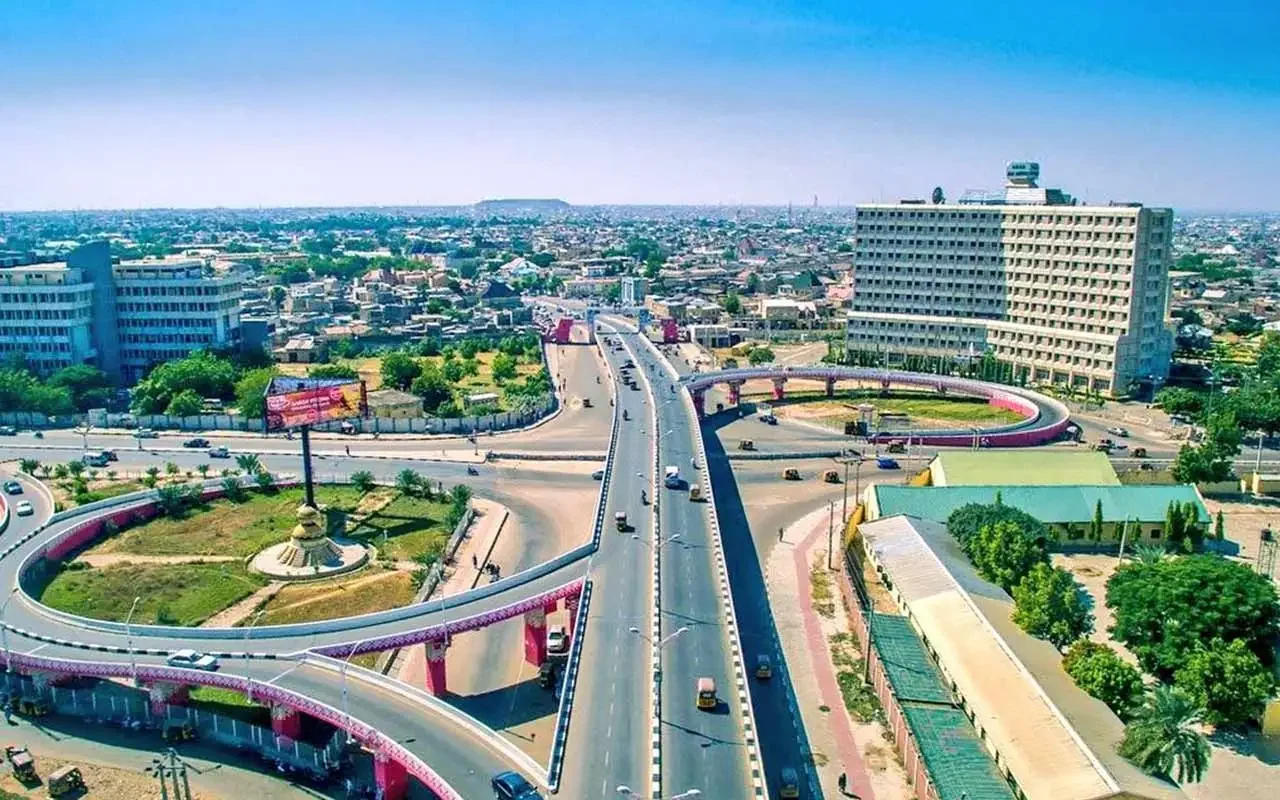
Kano City, NigeriaThese cities, often rich in undisturbed cultural heritage and folklore, hold centuries-old tales of wandering spirits, fallen kingdoms, and the people of the land. At this pivotal moment where systems thinking is reshaping how we understand the socio-cultural fabric of our cities; how do we ensure that secondary cities are not left behind? How can we foster economic change that compliments, rather than erodes social and historical heritage? And what role can secondary cities play in reshaping the ‘rush’ for urban expansion, through social experiments, cultural innovation, and multilateral partnerships across Africa?
Capital cities are hubs of innovation, risk-taking, and cultural convergence, attracting economic investment and infrastructural development. But when so much growth is concentrated in these urban centers, where does that leave our secondary cities?
Strategic Scope
-

Plan with Purpose
Facilitate a path forward that’s realistic, strategic, and tailored to societal needs.
-

Strategic Collaboration
Facilitate technical and knowledge exchanges among secondary cities across Africa.
-

Adapt as Needed
Remain flexible and responsive to emerging crisis.
-

Deliver with Confidence
Execute programs and interventions with long-term outlook that reflect local demands.
Redefining Secondary Cities Through Multilateral Partnerships
SESSION
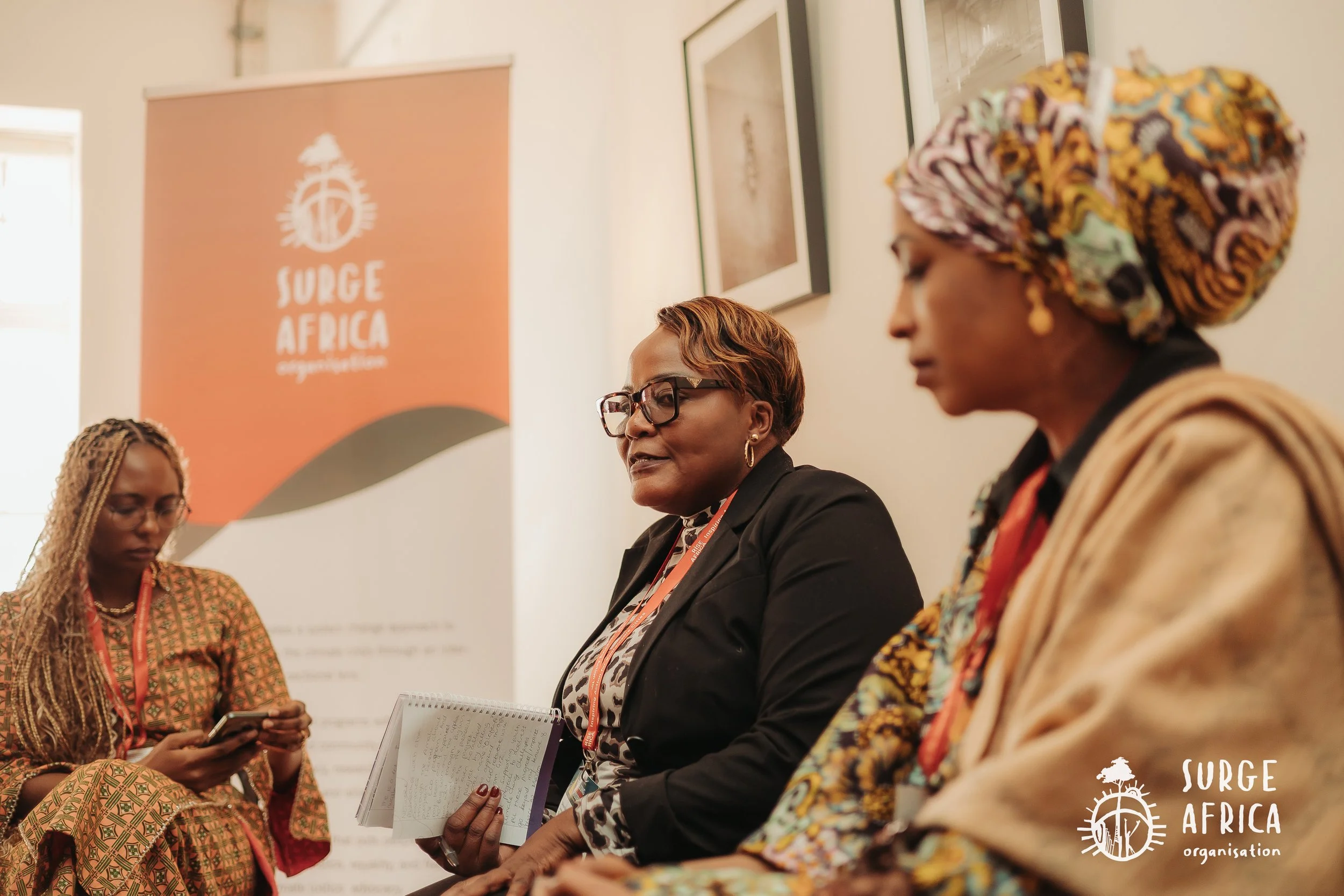
African cities need a new cultural revolution that is authentic, indigenous, and driven by our primitive instincts to co-exist, protect, and thrive within nature’s resources.
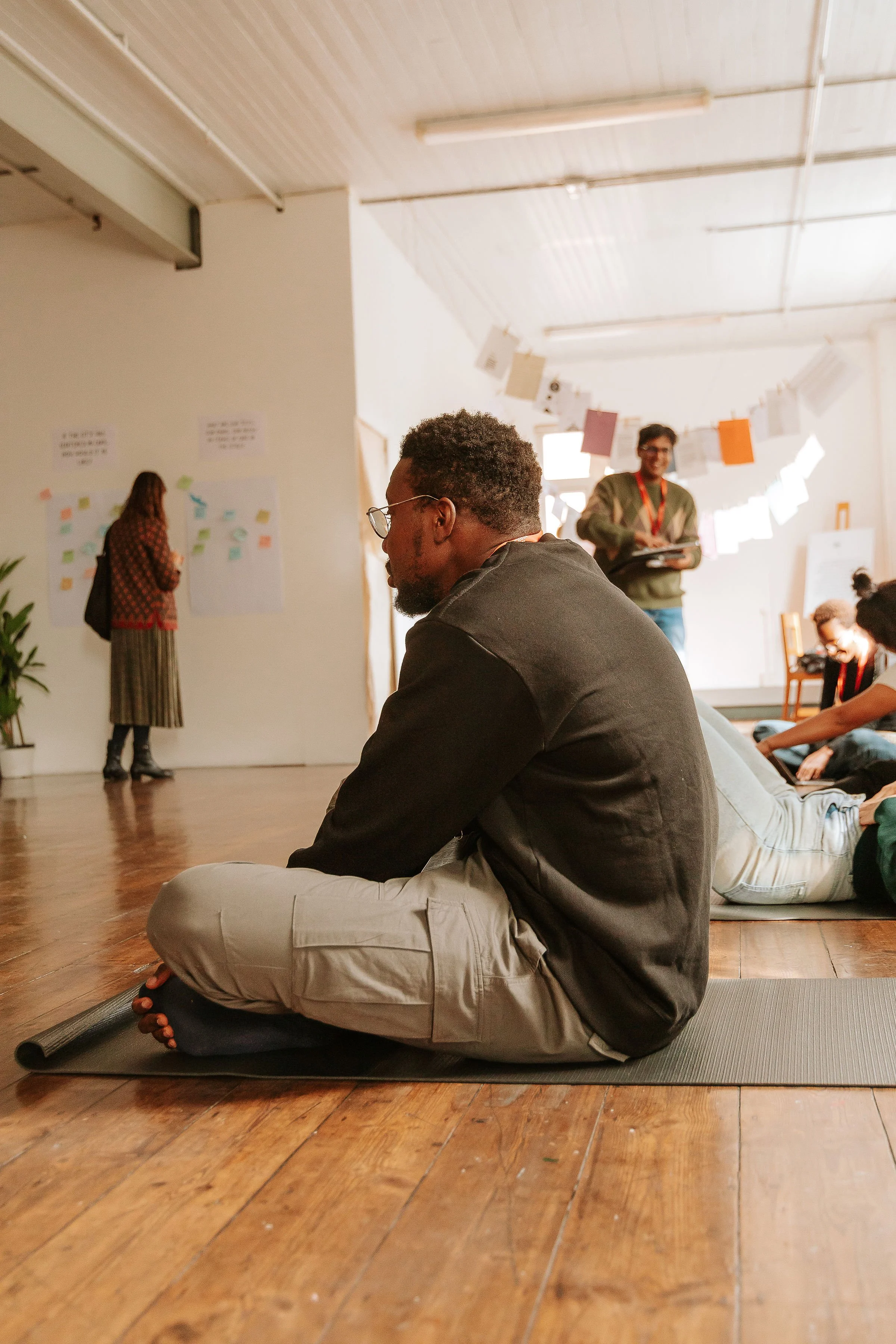
Now more than ever, African cities must find avenues for shared interest where indigenous innovation for solving local crises can be nurtured and scaled across borders. The global geopolitical landscape is shifting, multilateralism is shrinking in global foras, and so are new regional alliances emerging to benefit state interests.
African cities must weave new partnerships and explore long-term alliances through trade of goods, services, and technologies, and enable free-trade in specific economic zones, by proactively introducing reforms to regional policies, strengthening diplomatic ties with new and existing partners, while expanding & diversifying diplomatic and financial investments among African city-states.
Download Report
Nuancing our Climate Justice Narratives with South x South
SESSION
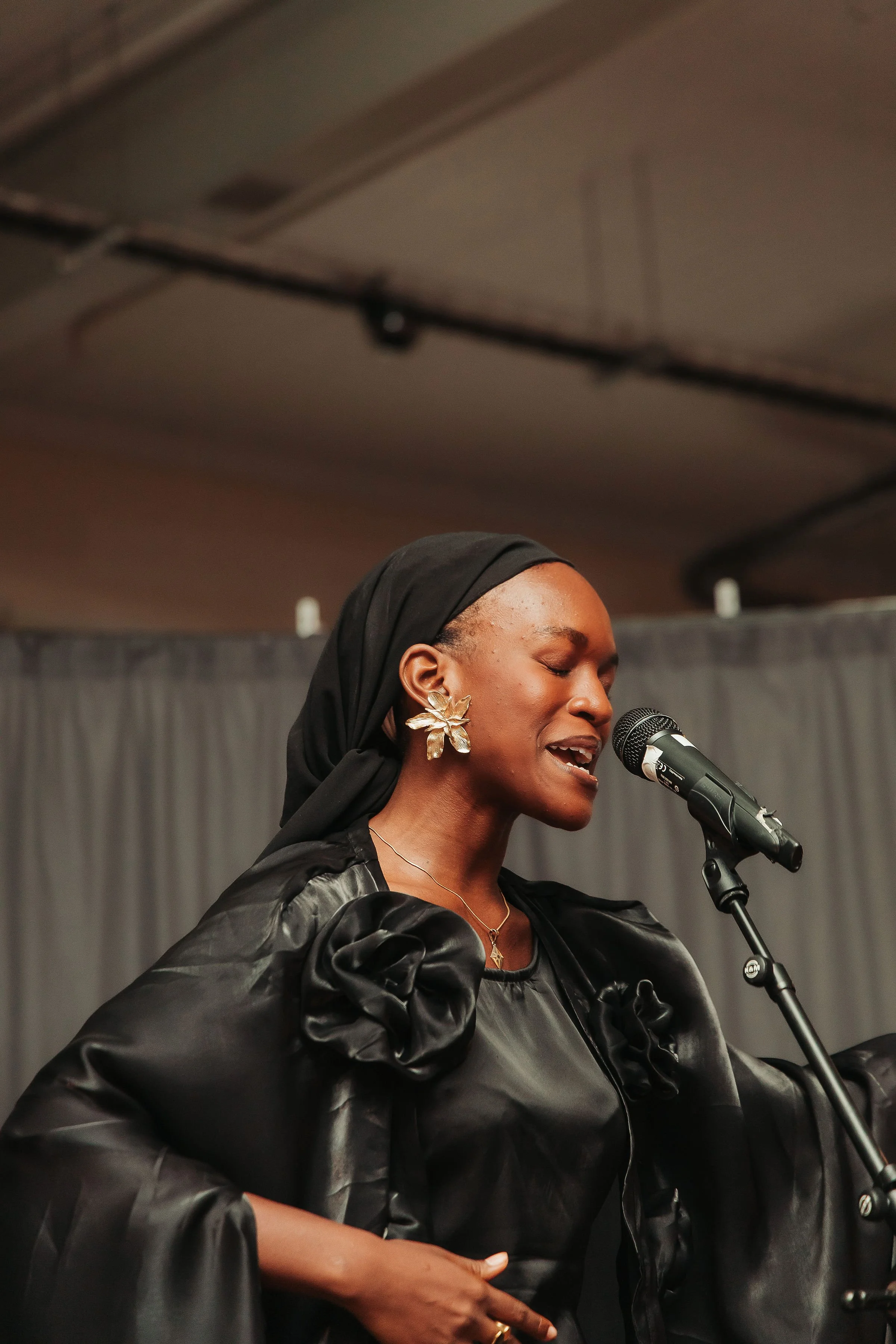
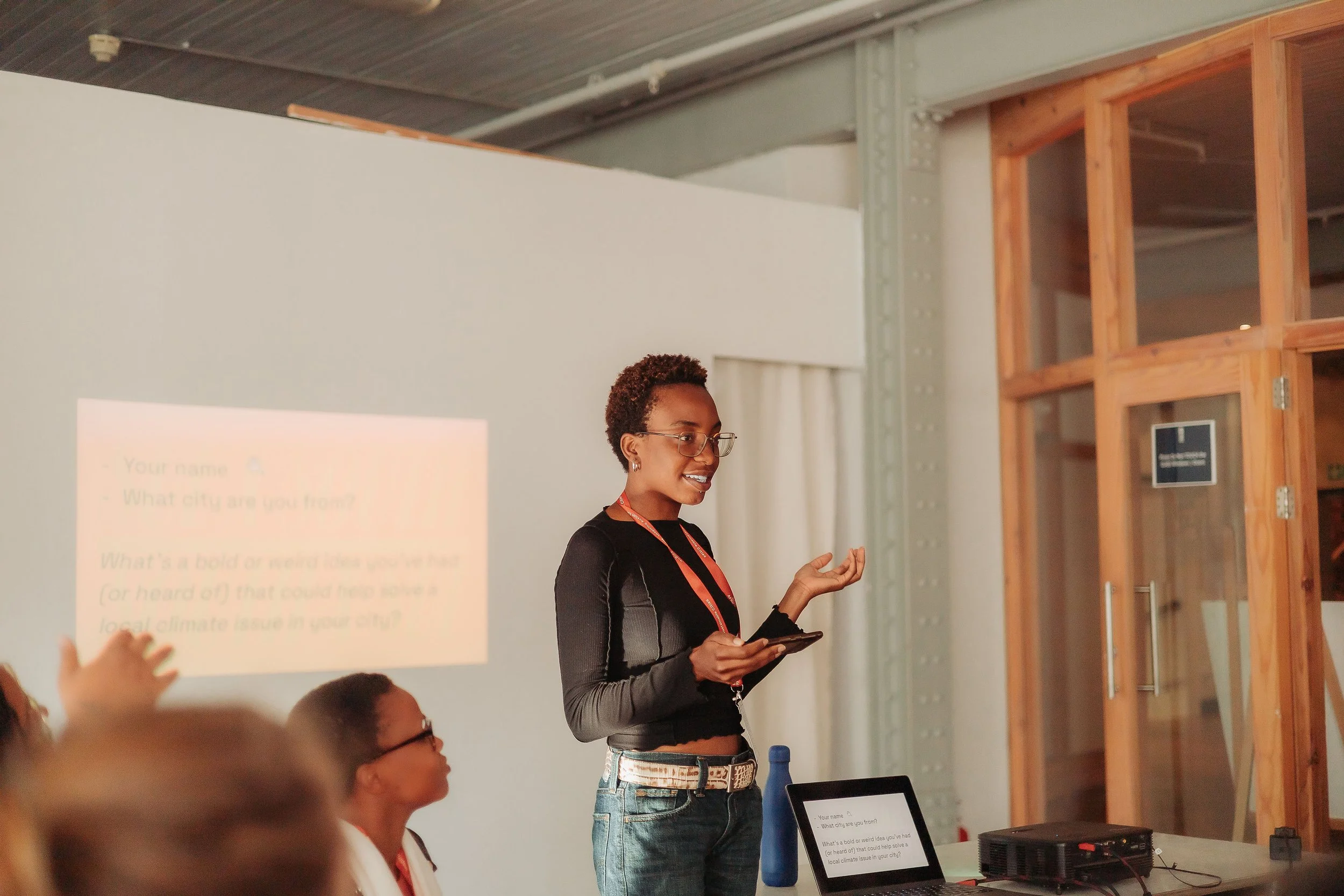
This session examined at cities across the globe from the lens of its habitats, featuring similar case-studies of how cities are adapting to climate change. Through a participatory-format session, we showcase solutions and generate robust ideas of how our changing cities can enable social equity, reduce economic barriers and propel a new form of cultural revolution.
We explored how cities on the frontlines of climate and inequality are adapting through community-led responses that center justice, equity, and resilience. From informal housing to waste management to energy transitions, these solutions are not one-size-fits-all, but rooted in local knowledge and lived realities.
Download Report
Scaling Localised Solutions with Global South Cities
SESSION
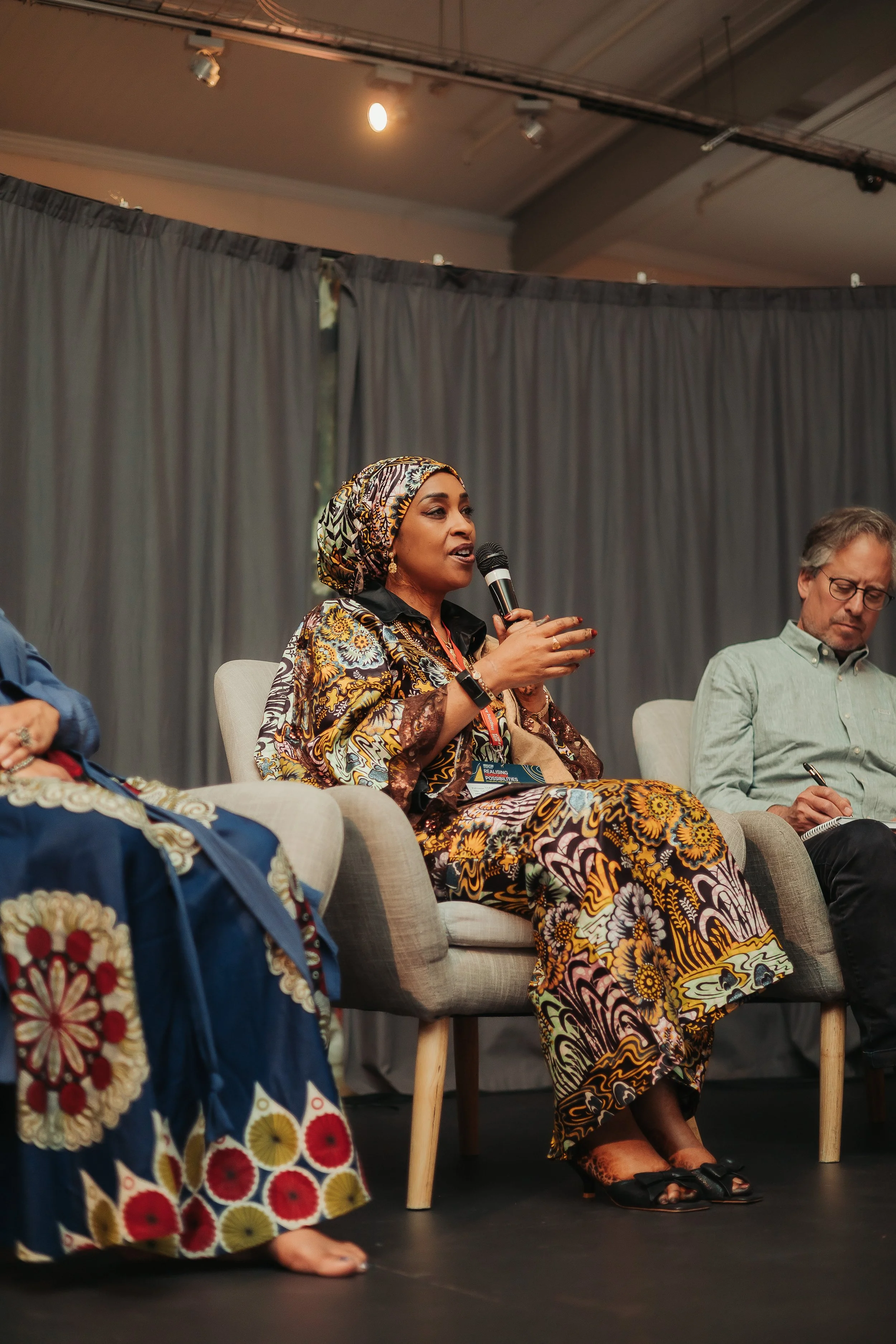
Across cities in Ghana, Brazil, Nigeria, and South Africa, frontline communities are not only experiencing the worst effects of the climate crisis; they are also building the most grounded, effective, and culturally resonant solutions. These are the places where innovation meets necessity, where urban residents are transforming adversity into agency.
This session explored how cities on the frontlines of climate and inequality are adapting through community-led responses that center justice, equity, and resilience. From informal housing to waste management to energy transitions, these solutions are not one-size-fits-all, but rooted in local knowledge and lived realities.
Download Report
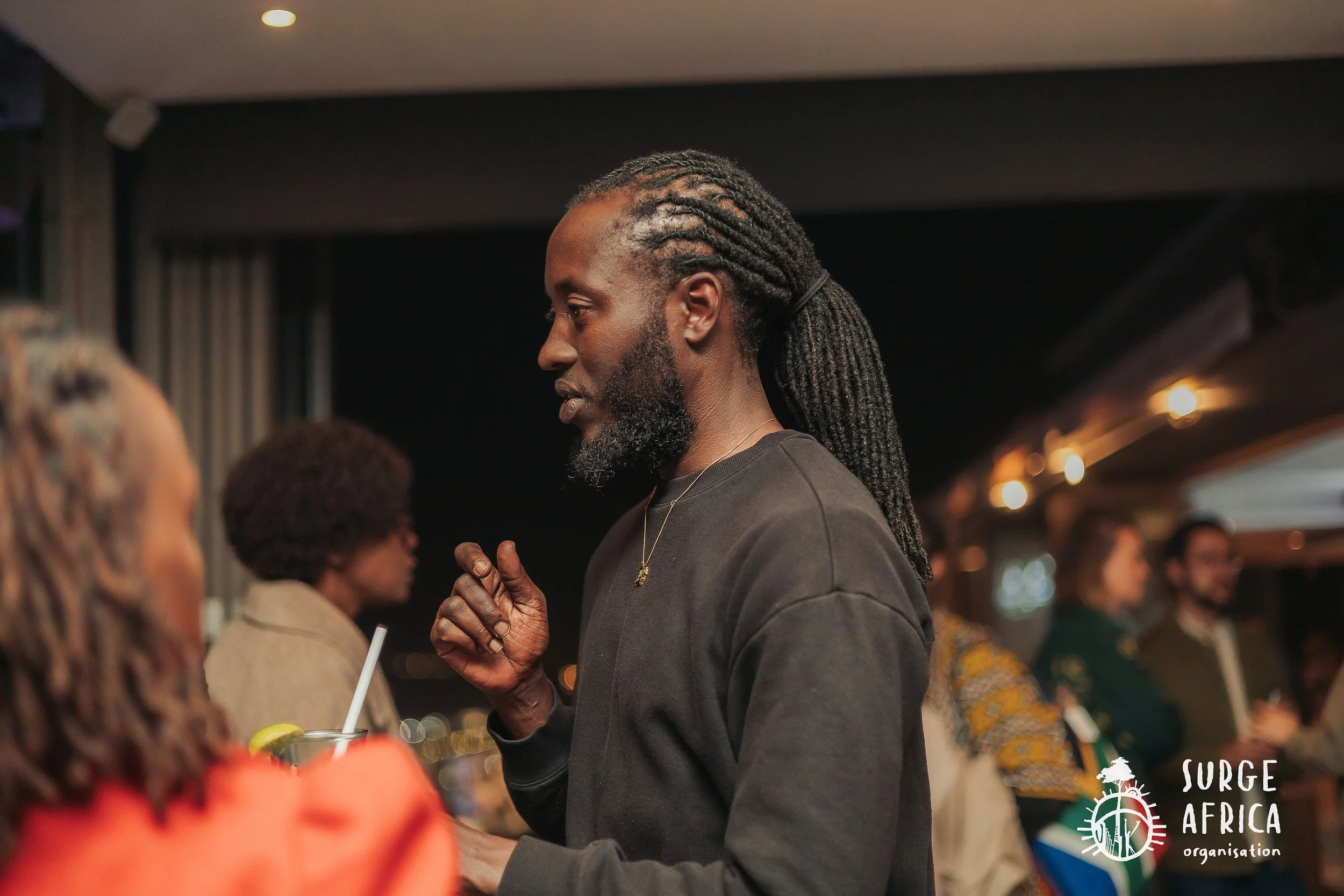
Through participatory dialogue, this session surfaced bold ideas, amplify lived experiences, and imagine how our changing cities can drive a new cultural and economic future, led by those most impacted.
Watch Previous Sessions During RISE Africa Festival
Cultural Aesthetics + Urbanization – How Art, Music, Architecture, Food, and Language can Drive Africa’s Inclusive Urbanisation
This session brought together artists, cultural practitioners and land stewards to deliver an insightful conversation around how culture and heritage as the defining tools that shape sustainable urban development in African cities.
Policy Perspective: Intersecting Advocacy with Climate Governance
This session centerered discussion on the need to move from talk to real action, and why an integrated approach that takes a long-term vision of change from a local perspective through a systemic alliance with governments is crucial to achieving both state and international commitments to climate change.
Connect with us.
We are keen to broaden partnerships and engagements for this program.