We Are Building A Sustainable Regional Hub for Seed Sovereignty
Seed Conservation as a tool for Social Justice.
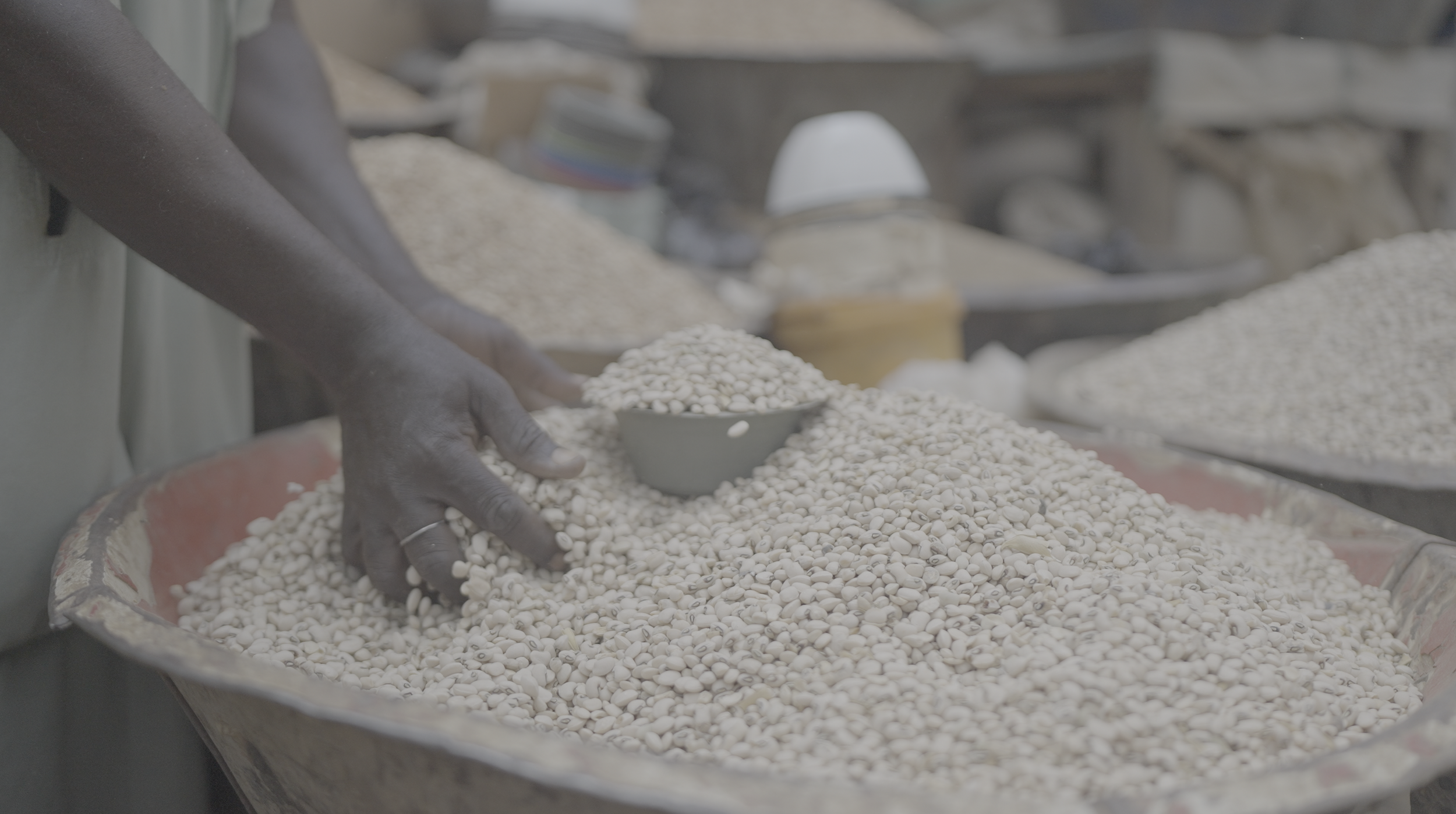
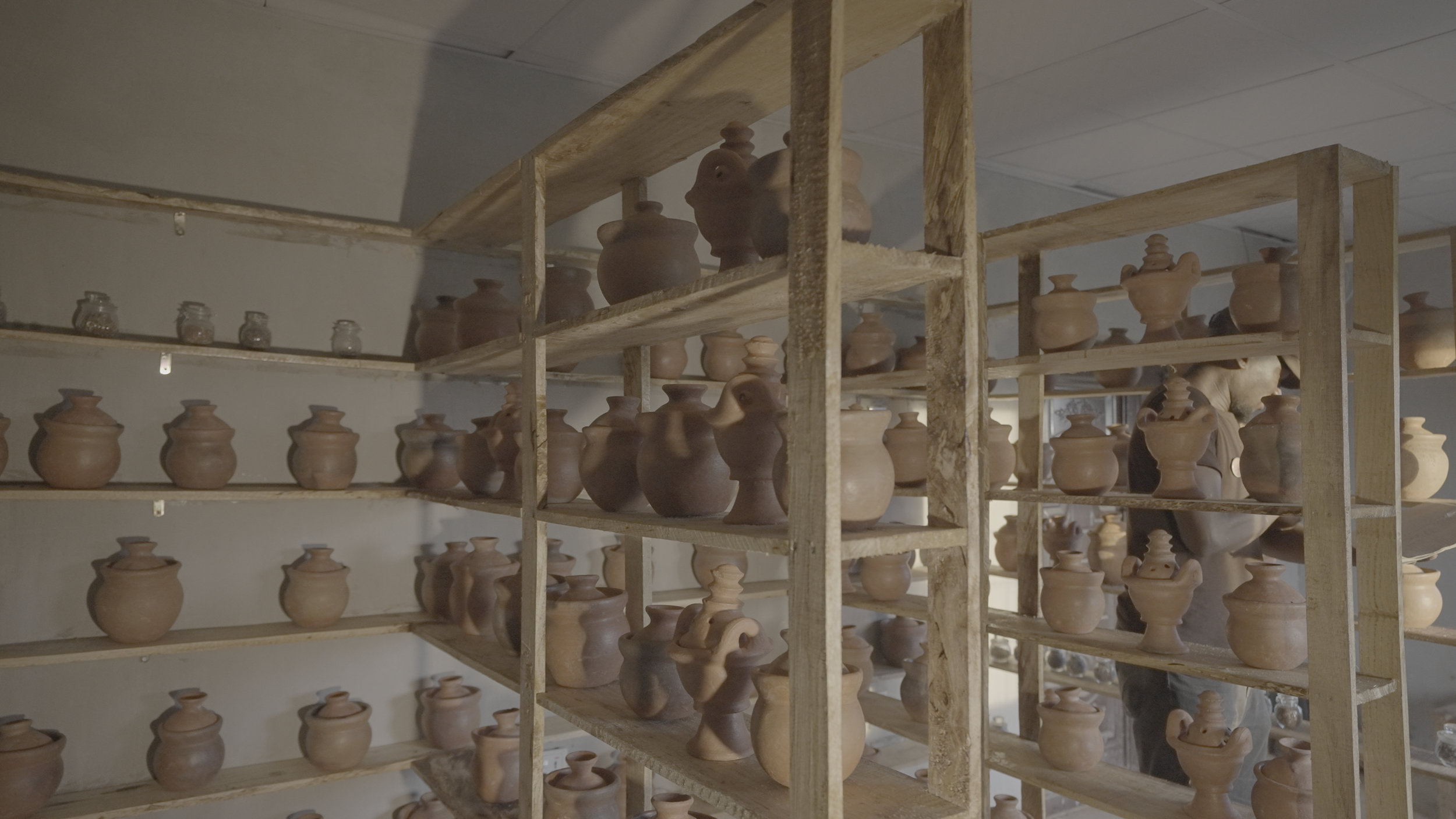
Jeji Restoration has established a seed bank to promote the conservation of indigenous seed species and to safeguard traditional agricultural practices. The seed bank houses a diverse array of about 350 different seeds, focusing on native crops and trees that are resilient to local climatic conditions. This initiative serves multiple purposes; it preserves genetic diversity, protects against the over-reliance on genetically modified seeds, and empowers communities to maintain their agricultural heritage.
The seed bank also plays a critical role in ensuring the long-term sustainability of the project (Jeji Restoration), providing a reserve of seeds for future reforestation efforts and aiding in the recovery of degraded ecosystems. Additionally, through promoting & preserving seed diversity, Jeji Restoration advocates for food sovereignty and resilience in local communities.
Preservation of Indigenous Knowledge and Food Heritage
Indigenous crops and plant species carry generations of knowledge related to nutrition, medicine, climate adaptation, and land stewardship. However, urbanisation, conflict, displacement, changing agricultural practices, and the ageing of traditional knowledge holders are placing this heritage at risk. Without our intervention, both valuable seed species and the knowledge systems associated with them could disappear, undermining long-term food security and community resilience.
The seedbank is valuable to eradicating this risk by creating a living ecosystem that retains knowledge and practice, enabling history and traditional knowledge to drive local perspectives on food culture and restoration practices.