
WATCH OUR FILMS
Read the 2025 Outlook Report
This report covers progress and impact of the Jeji Restoration project from 2022 - 2025.
Download Here.
Restoring Degraded Lands Through Afforestation, Advocacy And Community Inclusion.
We are building the largest community-led seedbank in West Africa
Explore Our Photo Story
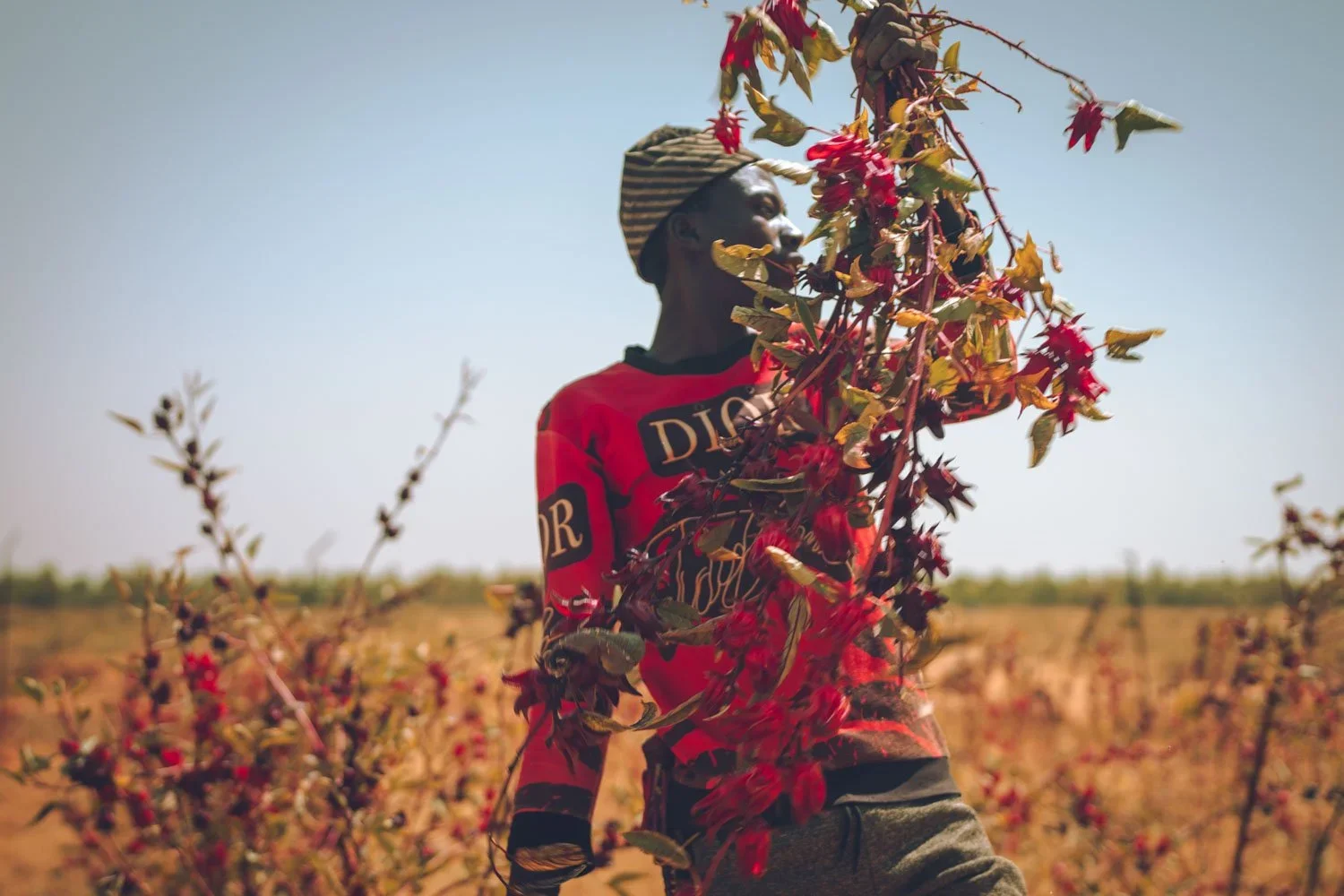
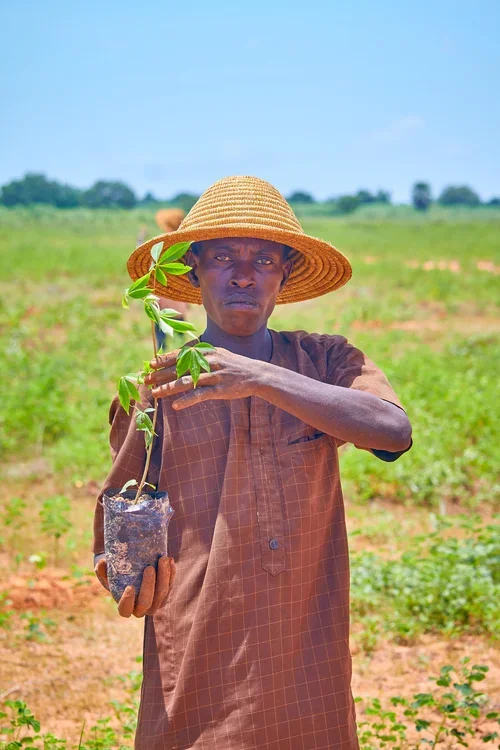
Jeji Restoration is a transformative and ambitious community driven initiative dedicated to working with indigenous peoples and individuals affected by environmental security through large-scale tree planting as a tool for sustainable livelihood development.
Jeji Restoration focuses on addressing the dual challenges of environmental degradation and socio-economic displacement by restoring forest lands in local communities that are facing the high cost of drought and low rainfall that results in low or failed harvest due to exacerbated weather patterns as a result of climate change.
Our project engages directly with these vulnerable populations, providing long-term sustainable solutions that are adaptable and scalable while they restore the earth and biodiversity, acquiring financial incentives that improve their social and economic welfare in the process.
Women as Levers of Change
The overarching goal of Jeji Restoration is to ambitiously deliver our mission of restoring 5,000ha of degraded forest lands while reviving biodiversity and improving land-use through forest land restoration.
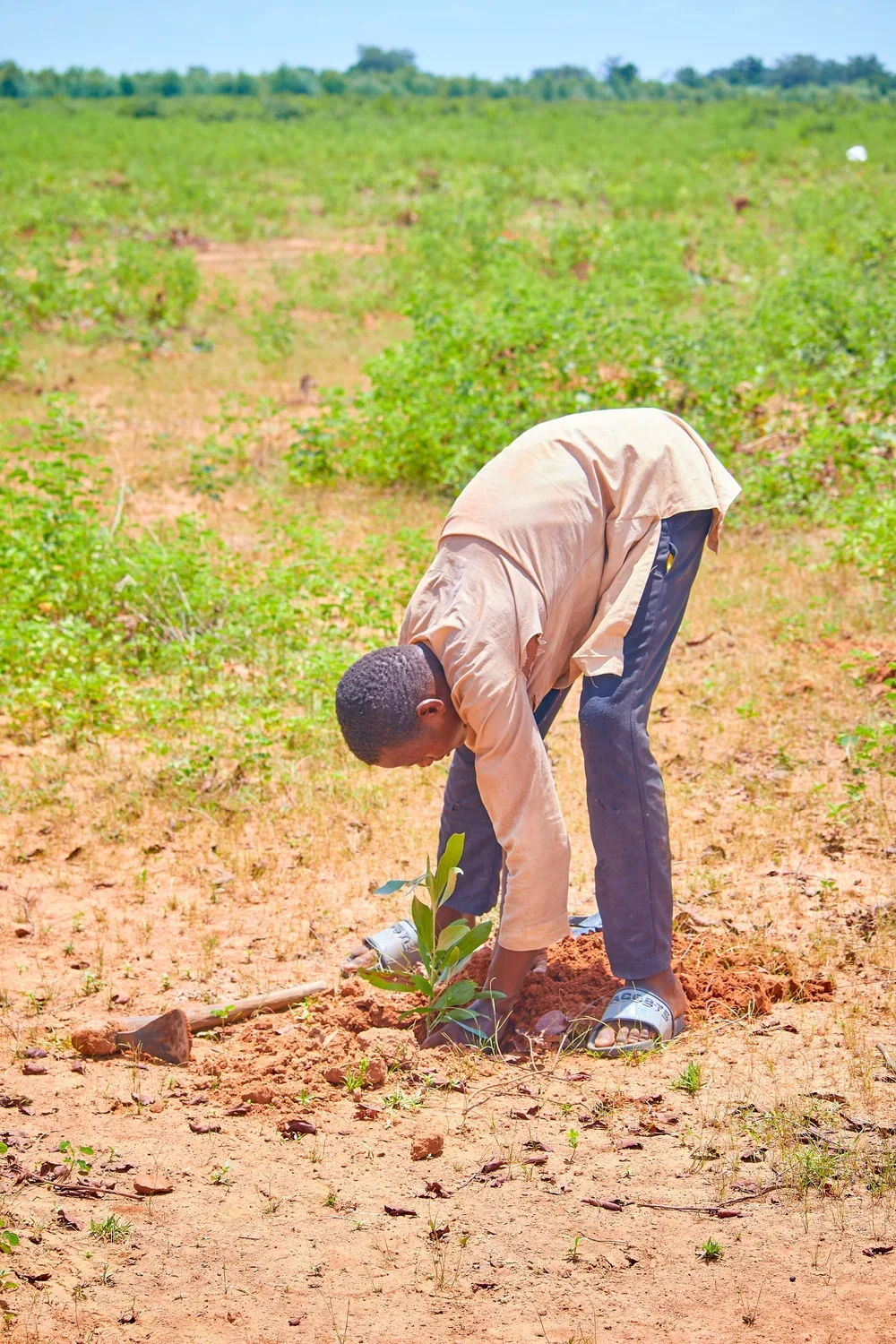
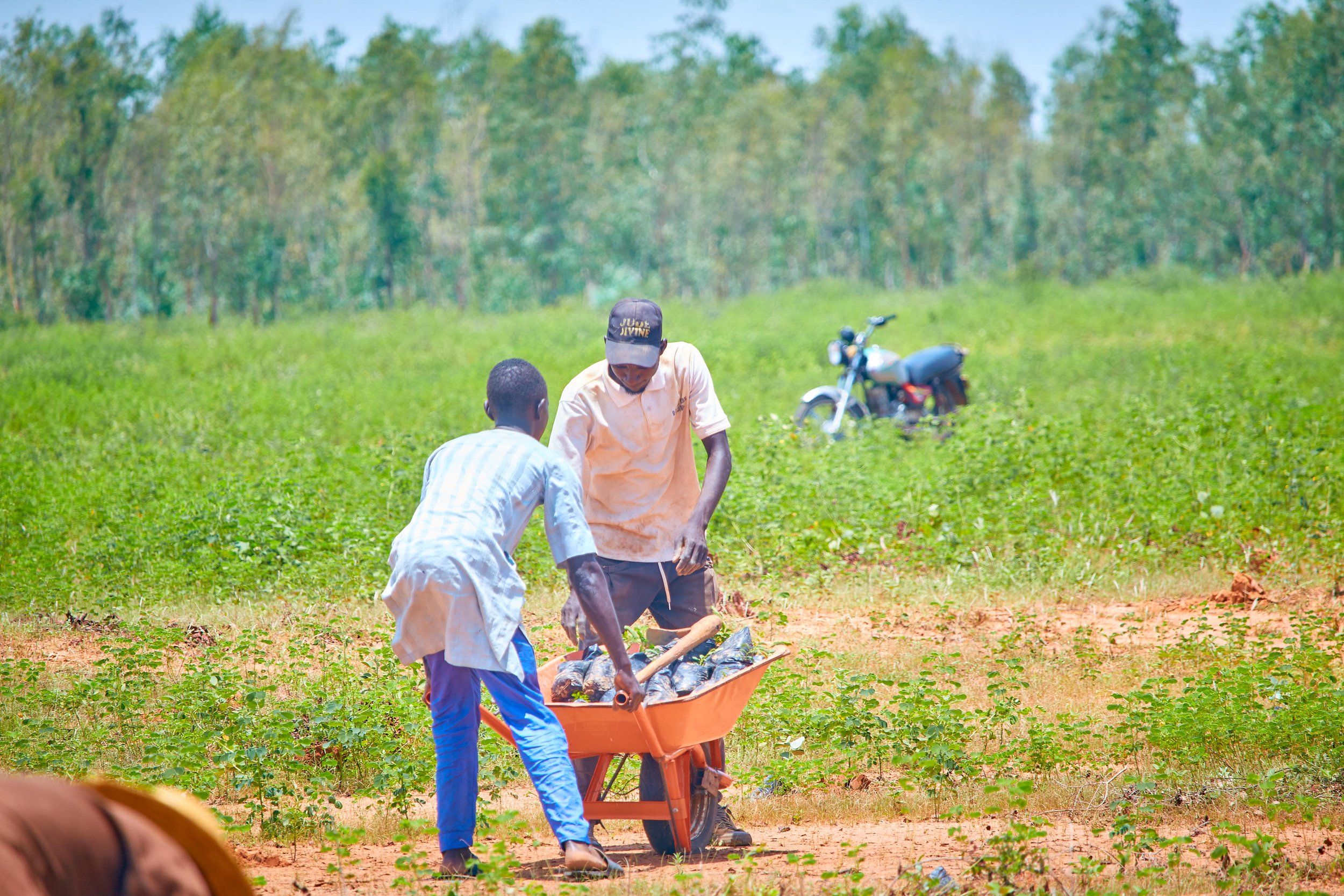
Recognizing the economic, social, and cultural barriers women face in Northern Nigeria, our project is designed to ensure that at least 60% of beneficiaries are women, including climate-affected and displaced women. We engage women directly in tree planting, land restoration, and agroforestry activities, creating opportunities for both income and skills development.
Each year, beneficiaries are provided with access to public land at no cost, allowing them to grow and sell agricultural products for income. Women are also paid for tree planting and restoration work, creating employment in communities where opportunities are often male-dominated. Through trainings and knowledge exchange, beneficiaries gain practical skills in agroforestry, land management, and climate resilience. The income generated helps strengthen women’s financial independence, improve household security, and reduce their vulnerability to exploitation, dependency, and gender-related risks.
Community Engagement is at the heart of Jeji Restoration’s approach. By involving local populations in every stage of the project from planning, planting to management and expansion. The initiative fosters a sense of ownership and responsibility among the beneficiaries. This inclusive approach has been key to the project’s success, as it ensures that the local knowledge and expertise of indigenous communities are integrated into the restoration efforts, making Jeji Restoration both culturally relevant and sustainable in the long term.
Community building & Partnerships
Over the years, we have provided numerous incentives to community members, enabling us to scale up our knowledge exchanges, incorporating new techniques in how they manage land resources. We have carried out numerous trainings for forest communities such as; Bi-annual trainings for farmers in our agroforestry scheme, Dry-land irrigation training and practical demonstration, Security Training for Forest Guard, Upskilling to make organic manure and pesticide, Restoration awareness and empowerment to establish restorative practices in individuals farms/communities, and so on.
Knowledge building & Technical Exchanges
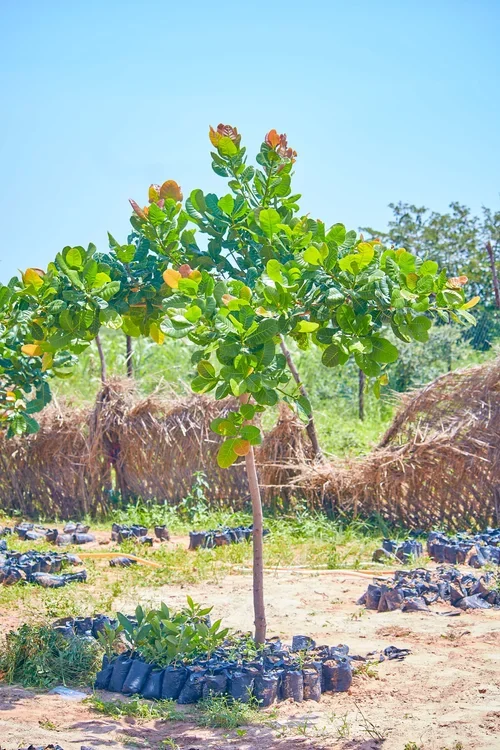
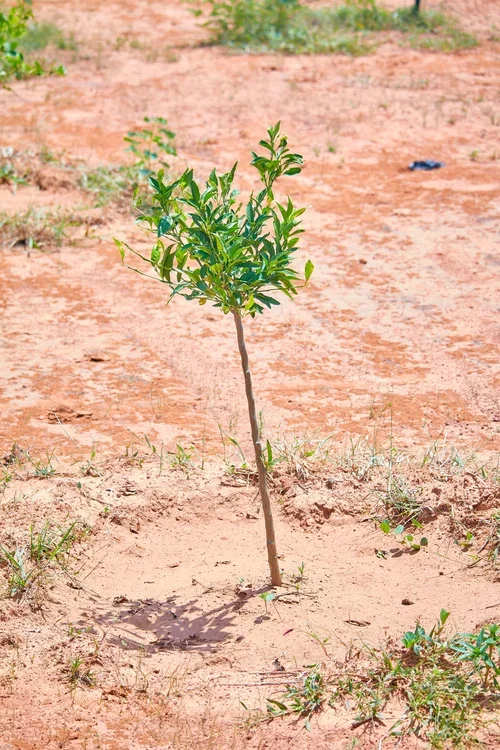
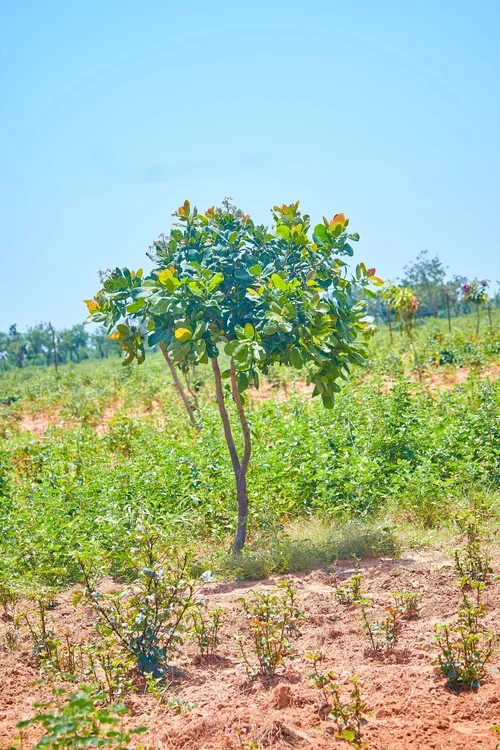
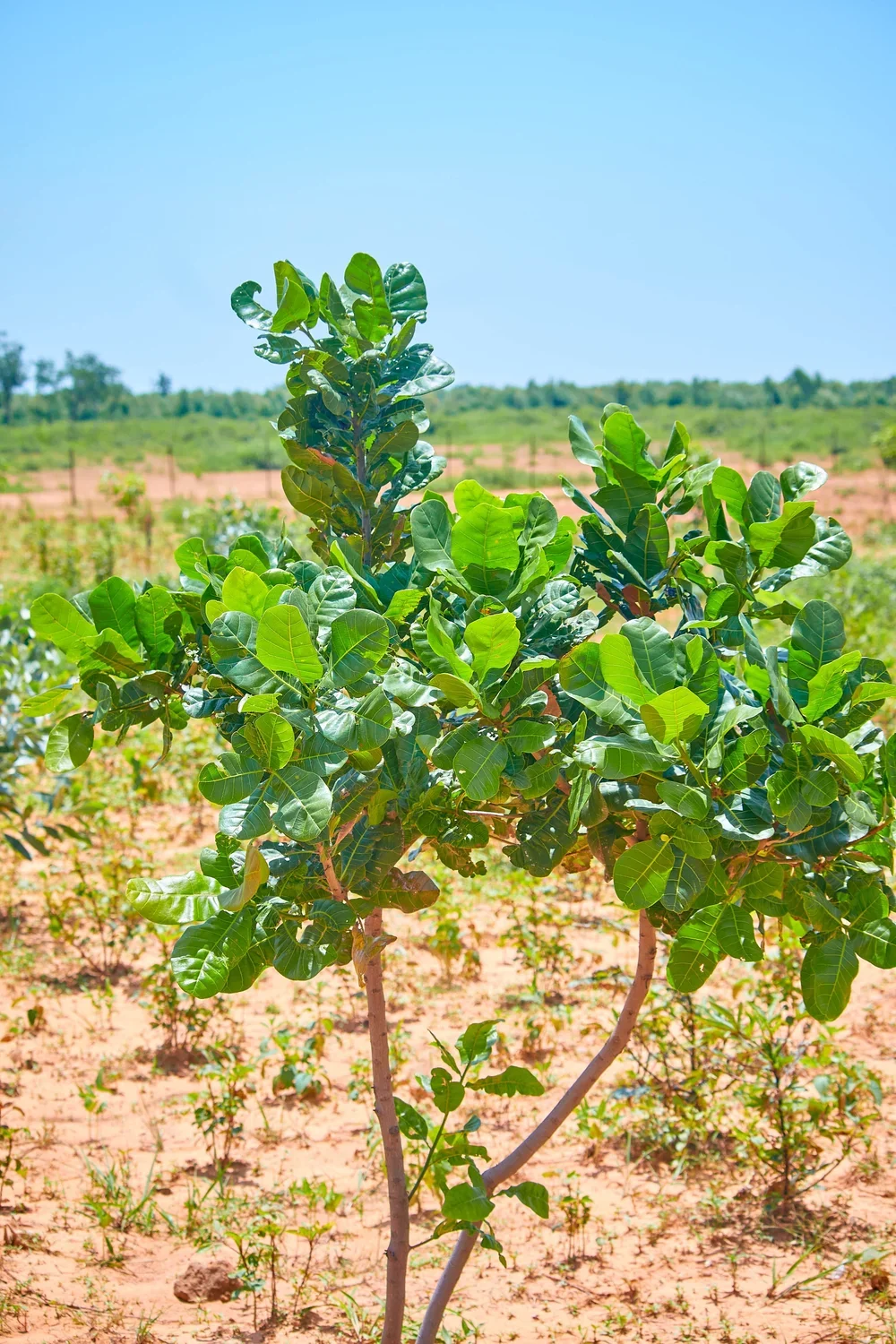
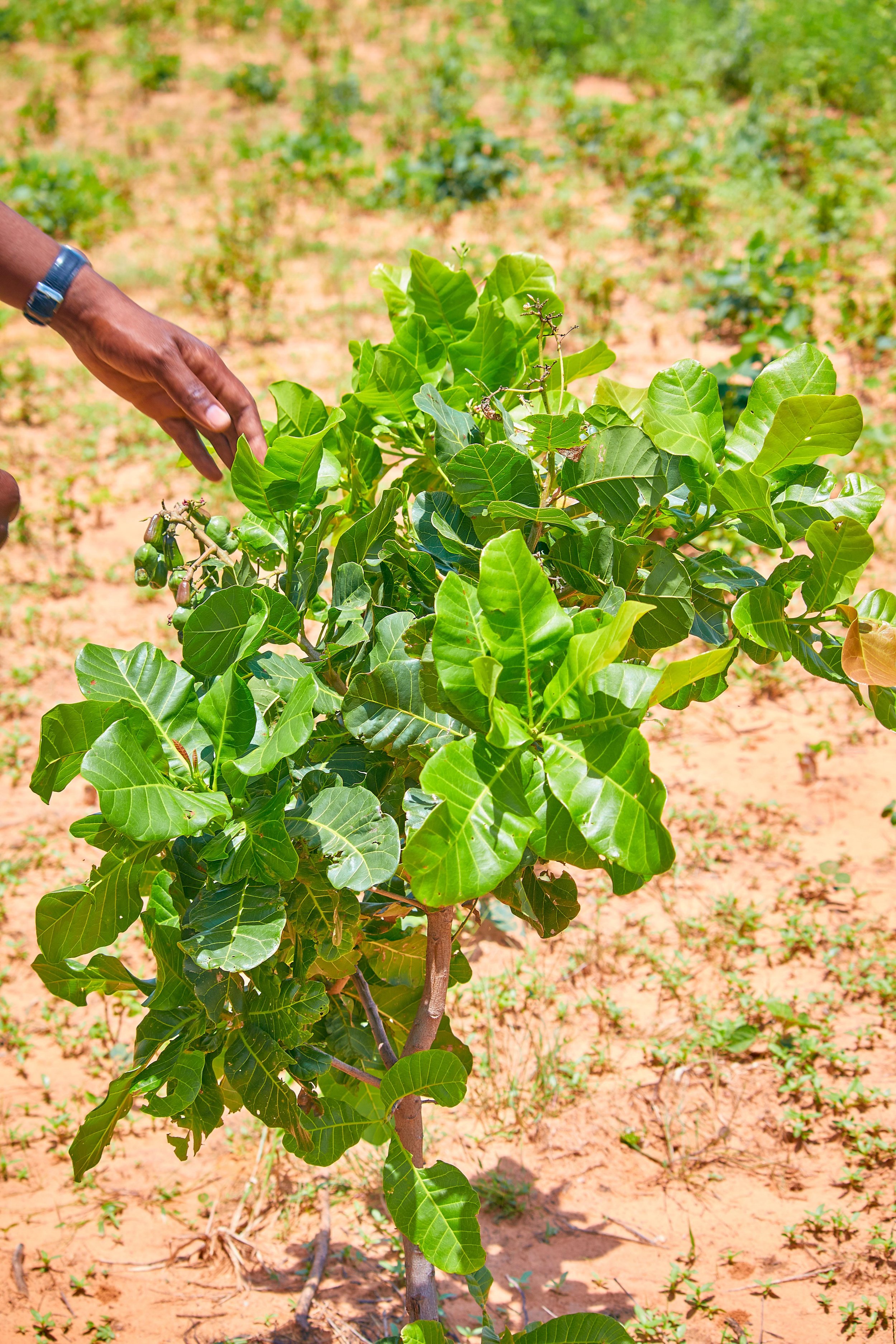
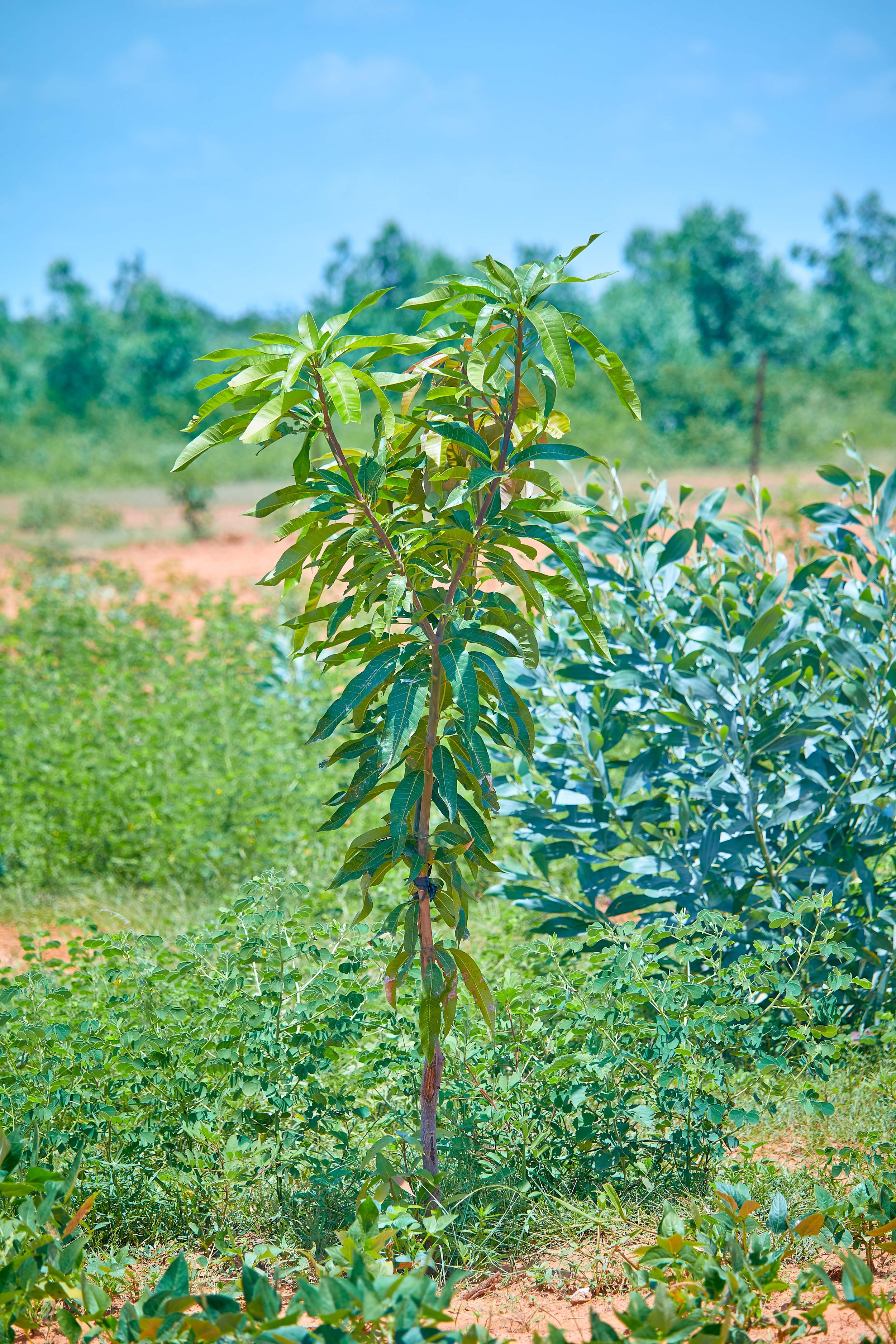
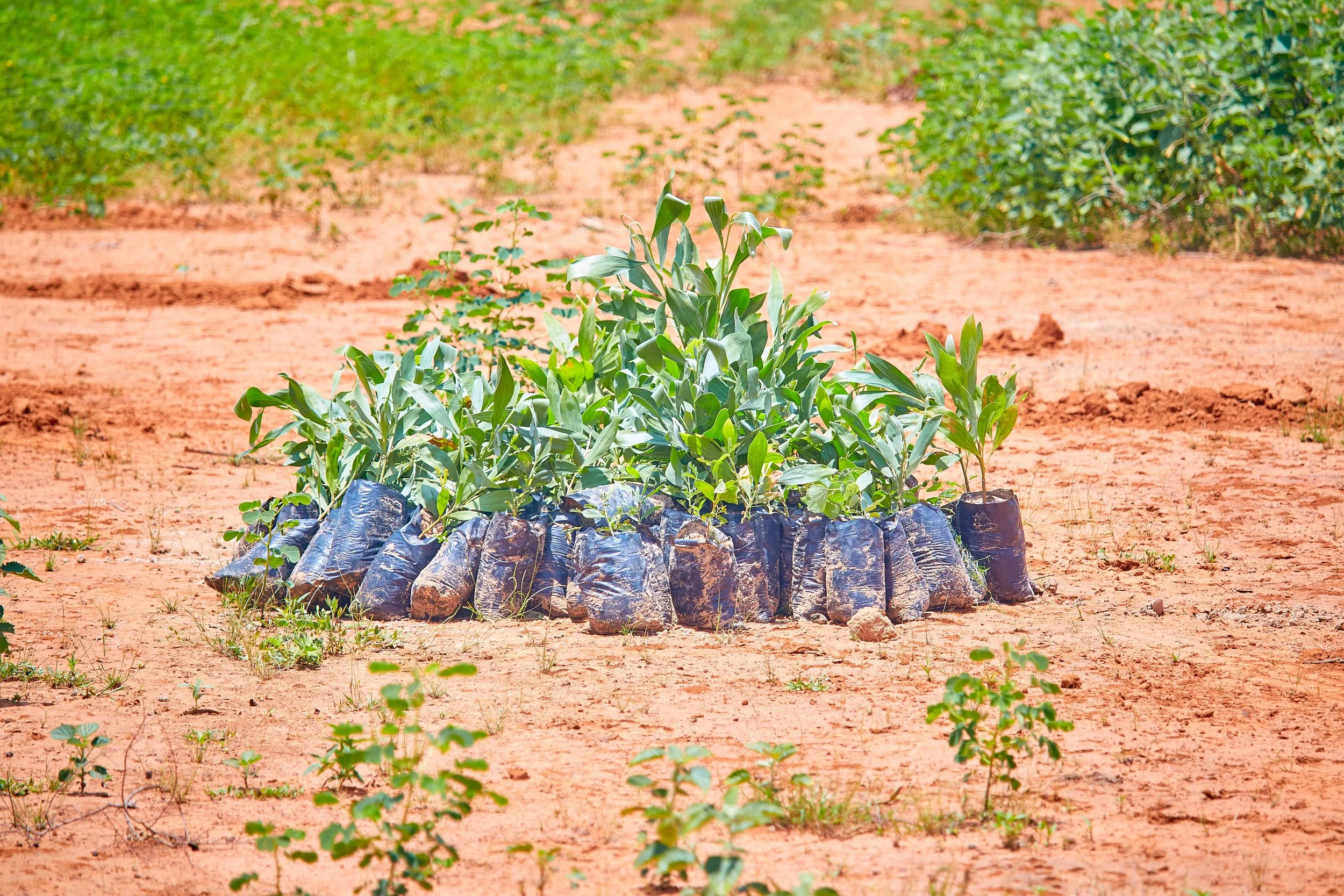
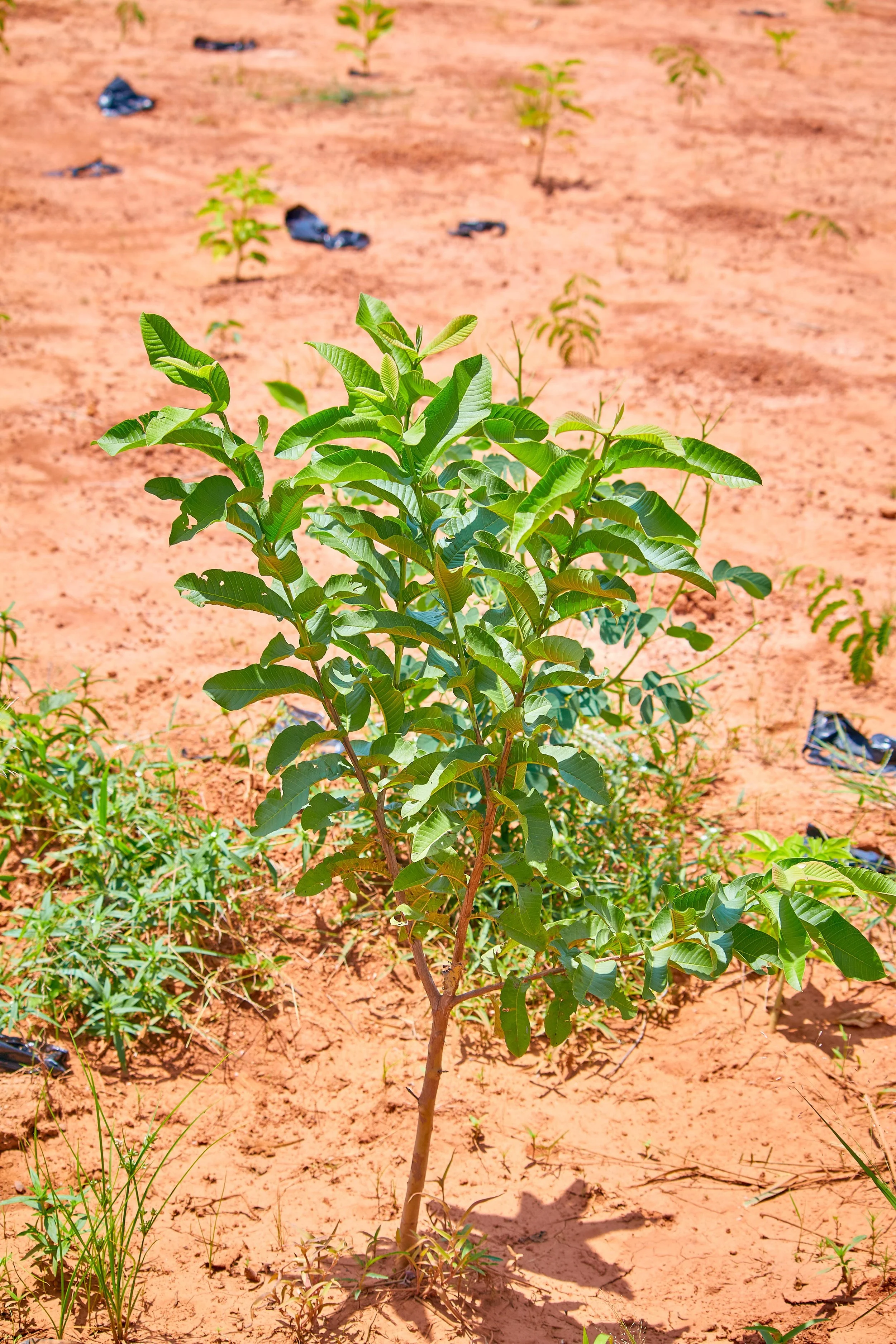
The project plans to restore 5,000 hectares of land through strategic reforestation efforts. So far, it has restored over 36 hectares, planting nearly 30,000 trees. Land restoration in semi-arid regions of Northern Nigeria is critical to reducing soil erosion, retaining water, and rehabilitating ecosystems that were once vibrant and essential to the communities that rely on them.
Impact
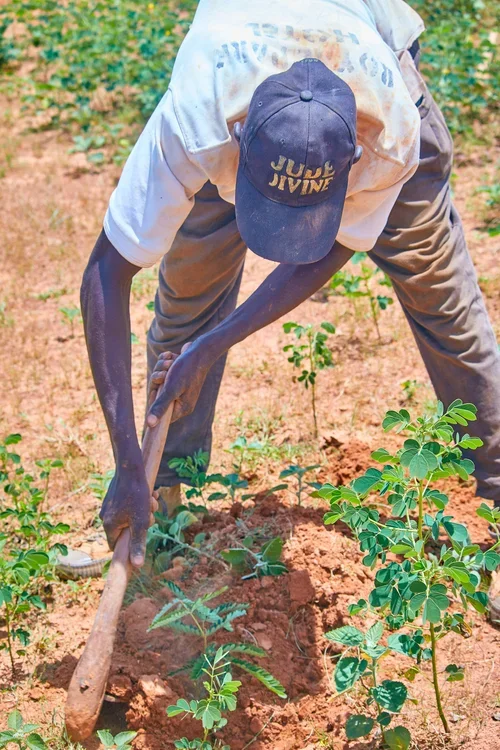
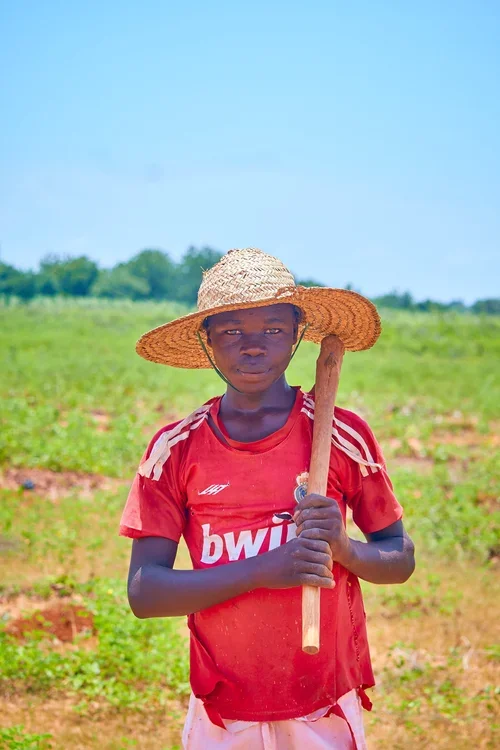
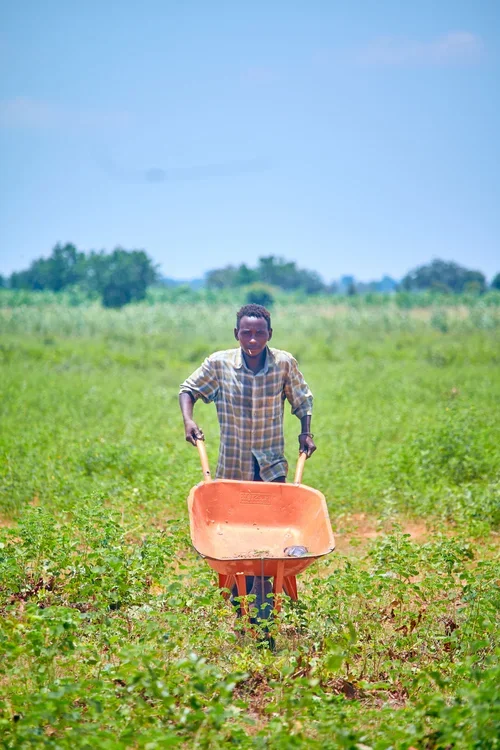
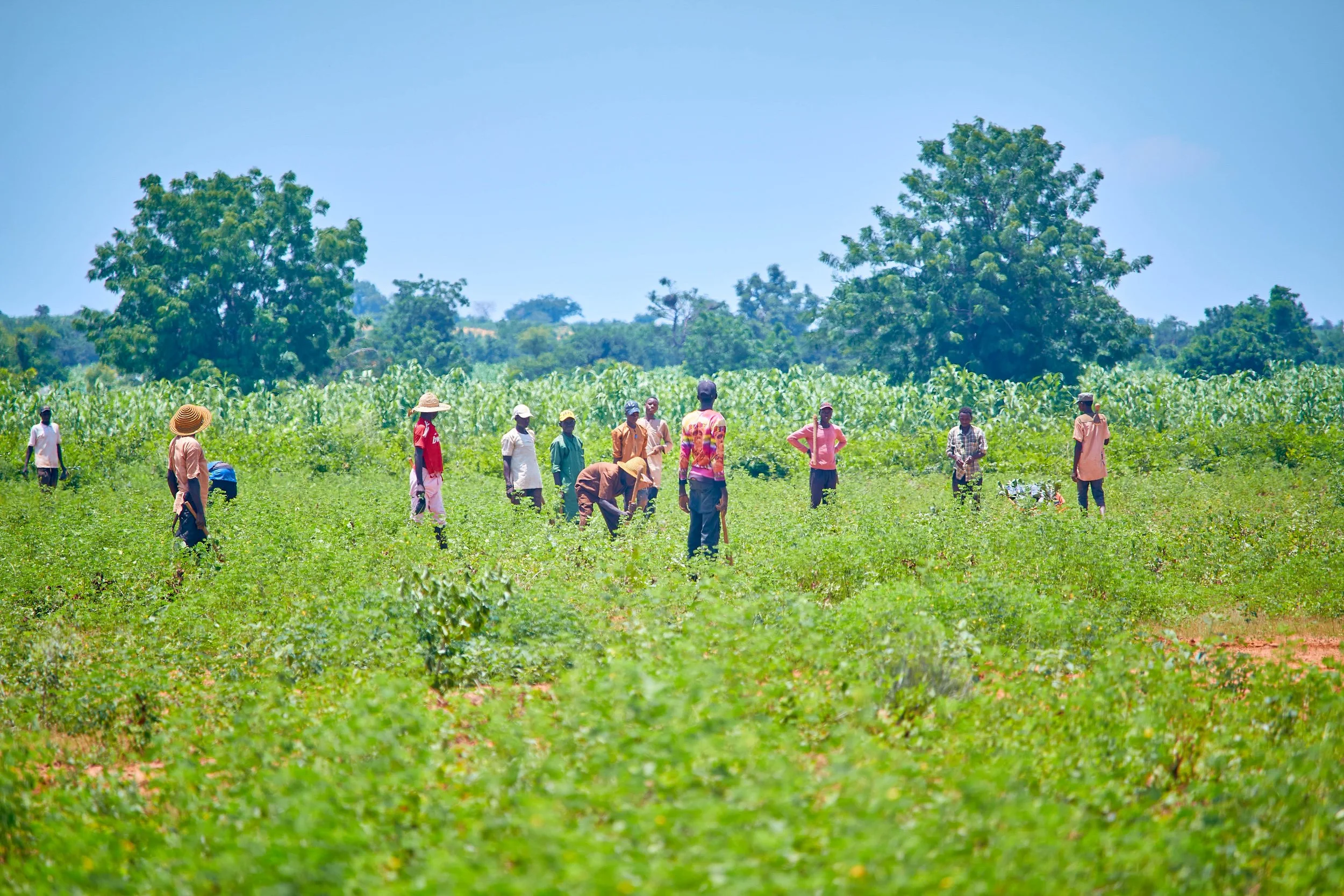
Since 2023, we have worked with over 300 farmers, showcasing regenerative agricultural practices through agroforestry by working with community members in our planting site to grow crops as a means of livelihood development. This engagement involves bi-annual training on agroecology and farmer-managed natural regeneration.
Agroforestry as a tool for social justice
Read Reports
2025
2025
2025
2023
2022
2021